

Common Prescription Drugs That Dangerously Interact with Trazodone
I once watched a friend struggle when their sleep aid was combined with another drug; the results were alarming and instructive. Trazodone can dangerously interact with several common prescriptions, notably certain antidepressants and antiarrhythmics, raising risks quickly.
Monoamine oxidase inhibitors, some selective serotonin reuptake inhibitors, and triptans can push serotonin too high, risking serotonin syndrome. Other culprits include QT-prolonging agents like some antipsychotics and antibiotics, which may provoke cardiac arrhythmias when combined. These combinations often require ECGs, lab checks, dose adjustments and clear communication to prevent emergency or immediate hospitalizations.
Always tell your prescriber about every medication; adjustments or monitoring (ECG, dose changes) can prevent harm. Never stop or mix drugs without prompt medical advice.
| Drug/Class | Potential Risk |
|---|---|
| MAOIs | Serotonin syndrome |
| SSRIs/SNRIs/Triptans | Excess serotonin |
| Antipsychotics/Some antibiotics | QT prolongation, arrhythmia |
Antidepressant Combinations and Serotonin Syndrome Risks
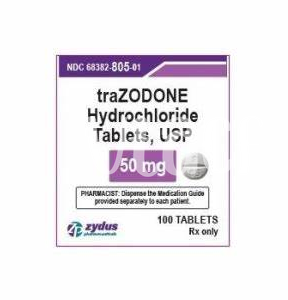
When two antidepressants are combined, the mood lift can turn risky. Mixing trazodone with other agents can amplify serotonin.
Patients sometimes add an SSRI, SNRI, or MAOI without realizing danger. This overlap raises the chance of serotonin excess.
Early signs include agitation, sweating, rapid heartbeat, and tremor; severe cases cause rigidity and fever. Seek help immediately.
Clinicians should review all medications and taper carefully when switching. Awareness and monitoring prevent most emergencies. Patients must report new symptoms, avoid self‑medication, and maintain communication with their prescriber at all times as needed.
Painkillers, Opioids, and Breathing Suppression Concerns
A friend once nodded off after a misprescribed combo; certain pain relievers plus trazodone can dangerously deepen sedation and slow breathing, markedly so.
Opioids, especially when taken with other central nervous system depressants, raise risk of respiratory depression, requiring careful dose adjustment and monitoring closely.
Watch for slow or shallow breaths, difficulty arousing, or bluish lips; seek emergency care if these signs appear during combined therapy immediately.
Prescribers should review all medications and counsel patients to avoid mixing opioids, benzodiazepines, alcohol, or high-dose antihistamines with trazodone and explain warning signs.
Blood Thinners and Bleeding Risk with Trazodone
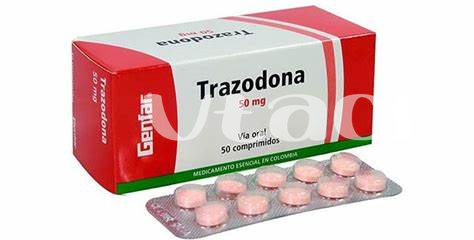
When you start trazodone, it's easy to overlook how it can quietly change bleeding risk, especially if you're already taking a blood thinner. The drug can interfere with platelet function and, in some reports, potentiate anticoagulants like warfarin, raising INR and the chance of bruising or dangerous bleeding.
That means simple things—nosebleeds, easy bruising, dark stools—shouldn't be shrugged off. Your clinician may order more frequent INR checks, adjust doses, or recommend avoiding NSAIDs and high-dose fish oil that further impair clotting. Older adults, people with liver disease, and anyone on multiple antiplatelet or NSAID therapies require closer monitoring and more frequent dose adjustments as necessary.
Always tell every provider and pharmacist you use trazodone alongside anticoagulants or antiplatelet drugs. Promptly report signs of bleeding, and never stop or change doses without medical guidance; careful monitoring keeps benefits and risks balanced.
Alcohol, Sedatives, and Dangerous Drowsiness Interactions
A quiet evening turned risky when someone mixed trazodone with a nightcap; the resulting haze illustrates why combining central nervous system depressants can be dangerous. Even modest amounts of alcohol or benzodiazepines multiply sedation, impair coordination, and delay breathing. Patients should ask prescribers before drinking or adding sedatives.
| Substance | Risk |
|---|---|
| Alcohol | Increased sedation, breathing suppression |
| Benzodiazepines | Severe drowsiness, falls |
Because the combined effects can be unpredictable, avoid driving or operating machinery for at least several hours after a dose and never mix recreational alcohol with prescribed medications. Tell your clinician about all substances you use, including over-the-counter sleep aids and herbal supplements. Seek immediate help for symptoms such as slow or shallow breathing, severe dizziness, prolonged unconsciousness, or difficulty waking. With clear communication and cautious habits, most people can minimize risk while benefitting from therapy. Ask your pharmacist if unsure.
Foods and Supplements to Avoid While Taking Trazodone
Evenings are for winding down, but some pantry staples can make a prescribed sleep aid unsafe. Grapefruit and its juice can raise blood levels by blocking CYP3A4, increasing side effects like dizziness and low blood pressure; avoid them while on medication.
Herbal products are not harmless: St. John's wort may both reduce effectiveness and add serotonin, while 5‑HTP and L‑tryptophan directly increase serotonin and can contribute to dangerous serotonin excess when combined with antidepressants.
Also avoid sedating botanicals like valerian or kava and combinations with benzodiazepines; supplements that claim to boost mood or sleep should be cleared with your clinician or pharmacist to prevent excessive drowsiness, falls, or other hazards and drug interactions. MedlinePlus MayoClinic