

How Lipitor Works Compared to Other Statins
Imagine a medicine that subtly turns down the liver’s cholesterol factory and invites cells to clear more LDL from the bloodstream. Lipitor is often faster to reduce LDL at lower doses than many older statins, which matters clinically.
Mechanistically, it blocks HMG‑CoA reductase strongly, lowering precursor production and upregulating LDL receptors.
| Statin | Relative potency |
|---|---|
| Lipitor | High |
| Others | Variable |
For patients and clinicians, that biochemical edge translates into flexible dosing choices and sometimes quicker LDL control, but individual response and tolerance determine the optimal statin for long-term risk reduction therapy.
Effectiveness in Lowering Ldl and Cardiovascular Risk
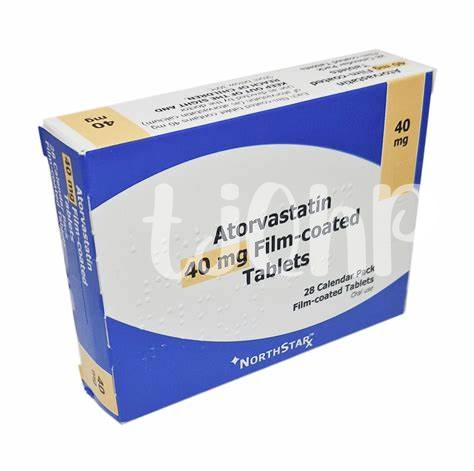
Patients often describe starting lipitor as a turning point: within weeks their LDL begins a steady fall. As a high‑potency statin, atorvastatin commonly reduces LDL by about 40–60% at therapeutic doses, outpacing older agents and rivaled by rosuvastatin at similar intensities. Clinical trials show that greater LDL lowering translates into proportional reductions in heart attacks and strokes, so choosing a statin with reliable potency matters for high‑risk patients.
Meta-analyses indicate each 1 mmol/L drop in LDL corresponds roughly to a 20–25% lower risk of major vascular events, so the absolute benefit depends on baseline risk. For many patients, switching from a moderate to a high‑potency statin yields meaningful event prevention over years. Real-world outcomes hinge on adherence, tolerability, and combination strategies; clinicians weigh these factors alongside trial evidence to tailor therapy and maximize the cardiovascular gains a patient can expect.
Side Effect Profiles: Muscle, Liver, and Diabetes
Patients often describe a lingering ache that prompts conversations about safety; clinicians respond with facts. lipitor, a potent atorvastatin, can cause muscle-related complaints ranging from mild myalgias to rare rhabdomyolysis, risks that rise with higher doses and certain drug interactions. Compared with some lower-potency statins, it more reliably lowers LDL but may slightly increase the chance of muscle symptoms, so baseline assessment and stopping other interacting medications helps reduce harm.
Liver enzyme elevations occur with all statins but are typically transient; serious liver injury is uncommon. lipitor’s metabolic effects include a small, dose-dependent rise in blood glucose and a higher incidence of new-onset diabetes versus some alternatives, though absolute risk is low and outweighed by cardiovascular benefit for most patients. Shared decision-making, periodic liver tests, glucose monitoring, and choosing appropriate dose or alternative agent can preserve benefit while minimizing harm.
Dosing Convenience, Interactions, and Patient Adherence
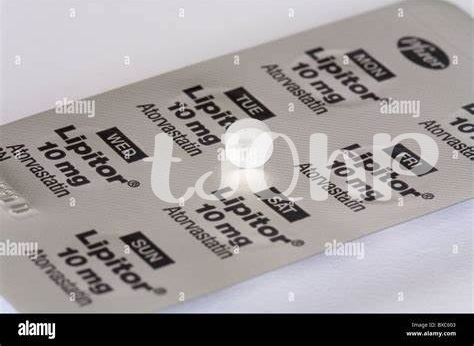
Patients often prefer simple routines; a once daily tablet taken at a convenient time can transform a regimen into a habit. lipitor’s once daily dosing and flexible timing for statins reduce the burden of medicines, helping people stay consistent even when life is busy.
Clinicians must balance convenience with drug interactions: many statins use CYP pathways, so concurrent grapefruit, antibiotics, or HIV medications can raise levels and risk side effects. Reviewing the medication list and using alternatives or dose adjustments preserves safety without sacrificing effectiveness.
Improving adherence combines practical steps, reminders, and counseling, with attention to cost and side effect expectations. When patients understand trade offs and feel involved in choosing a statin, persistence increases and outcomes improve. Regular follow up, lab checks, and refill synchronization further support long term adherence for busy patients, with clear communication about side effects.
Cost, Generic Options, and Long-term Affordability
When I first researched statins, the sticker shock for brand-name prescriptions surprised me, especially lipitor which often carried a premium. That premium sometimes masks coupons, rebates, and savings available.
Generics transformed access: many effective alternatives match clinical outcomes at lower prices, and insurance tiers can dramatically change monthly outlays. Formulary placement and mail-order options further reduce expenses too.
Choosing a therapy means weighing copays, pill frequency, patient assistance, and potential downstream savings from fewer heart events. Longer-term savings depend on adherence, monitoring costs, side-effect management.
A pragmatic plan balances evidence, budget realities, and adherence; discuss options with clinicians and pharmacists to find the best fit. Shared decision-making can align financial realities with clinical goals.
| Type | Note |
|---|---|
| Lipitor | Brand-price |
| Generic-statins | Lower-cost |
Choosing Right Statin: Personalized Risk and Evidence
Deciding which statin fits a patient feels like tailoring a suit: assess cardiovascular risk, LDL targets, comorbidities, and tolerance. Atorvastatin’s potency and evidence suit high-risk profiles, but lower-intensity options may suffice for older or frail patients with less aggressive goals and shared decision-making matters too.
Clinicians weigh drug interactions, renal or hepatic issues, and adherence likelihood. Genetics and diabetes risk influence choice; some patients respond better to alternative statins. Regular review and lipid monitoring ensure the chosen therapy reduces events while minimizing harm through personalized care plans and clear communication. Atorvastatin (StatPearls) Atorvastatin label (DailyMed)