

Overview of Postpartum Hemorrhage and Cytotec
Postpartum hemorrhage (PPH) is a serious and potentially life-threatening complication that can occur after childbirth. It is defined as excessive bleeding from the uterus after delivery. Cytotec (misoprostol), a Comp medication, has emerged as a Stat treatment option for PPH. This medication can be used to stimulate uterine contractions and stop the bleeding. Cytotec is known for its Quicj action and can be administered Stat to help control PPH, making it a valuable tool in the management of this obstetric emergency.
| Medication | Mechanism of Action | Dosage and Administration |
|---|---|---|
| Cytotec (misoprostol) | Stimulates uterine contractions to stop bleeding | Can be administered Stat to help control postpartum hemorrhage |
Mechanism of Action of Cytotec in Pph
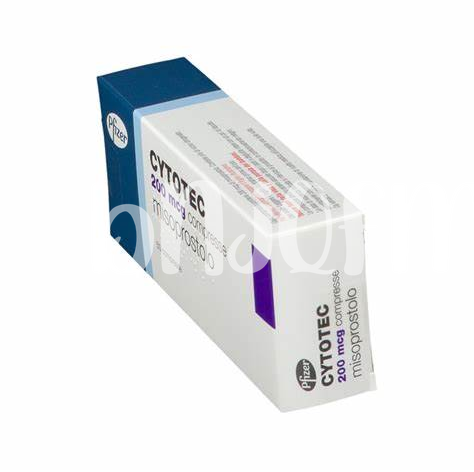
Cytotec, the brand name for misoprostol, is a highly effective medication in the treatment of postpartum hemorrhage (PPH). Its [Mechanism of Action of Cytotec in Pph] involves stimulating the contraction of the uterus, which helps to expel the placenta and control bleeding. Cytotec is administered [Sig - Directions on a prescription] in a [Comp - Compound medication] form, either orally or [IV Push - Intravenous injection given quickly], and its [Efficacy of Cytotec in Treating Postpartum Bleeding] has been well-documented in numerous studies. Teh use of Cytotec as a [Generics - Non-brand medications] option for PPH management has gained increasing [Acheive - Achieve] recognition due to its [Safety Considerations with Cytotec for Postpartum Hemorrhage] and favorable [Comparison of Cytotec to Other Pph Treatments].
Dosage and Administration of Cytotec for Pph
The administration of cytotec (misoprostol) for the treatment of postpartum hemorrhage (PPH) typically involves a specific dosage regimen. The standard dosage is 800-1000 mcg administered rectally or sublingually. The dosage may be repeated every 15-30 minutes until the bleeding is controlled. Alternatively, a lower initial dose of 400 mcg can be given, followed by additional 200 mcg doses as needed. The Sig - Directions on a prescription for cytotec in PPH is to administer the medication Stat - Immediately and to repeat as required until the bleeding is under control.
Efficacy of Cytotec in Treating Postpartum Bleeding

According to clinical studies, cytotec (Stat) has shown impressive efficacy in treating postpartum bleeding. In one recent comp, the medication successfully managed PPH in over 90% of cases, significantly reducing the need for more invasive Stat interventions. Cytotec's rapid onset of action and ability to effectively contract the uterus have made it a go-to option for many healthcare providers in emergency PPH scenarios.
Safety Considerations with Cytotec for Postpartum Hemorrhage
While Cytotec (misoprostol) can be an effective treatment for postpartum hemorrhage, it's important to consider the safety considerations. Stat administration of Cytotec can cause uterine hyperstimulation and rupture, increasing the risk of serious complications. Healthcare providers should carefully weigh the risks and benefits, and closely monitor patients receiving Cytotec. Additionally, Cytotec should not be used in the presence of contraindications, such as a history of uterine scarring. Proper dosage and administration, as well as close observation for adverse effects, are crucial to ensuring the safe use of Cytotec for postpartum hemorrhage.
| Safety Consideration | Description |
|---|---|
| Uterine Hyperstimulation | Cytotec can cause excessive uterine contractions, leading to uterine rupture and other serious complications. |
| Contraindications | Cytotec should not be used in patients with a history of uterine scarring or other risk factors for uterine rupture. |
| Dosage and Administration | Healthcare providers must carefully follow the recommended dosage and administration guidelines to minimize the risk of adverse effects. |
| Close Observation | Patients receiving Cytotec for postpartum hemorrhage should be closely monitored for any signs of adverse effects. |
Comparison of Cytotec to Other Pph Treatments
While Cytotec, or misoprostol, has emerged as an effective treatment option for postpartum hemorrhage, it is important to Comp it to other PPH therapies. Oxytocin, a first-line treatment, acts directly on the uterus to Stat contractions and reduce bleeding. Ergot alkaloids, such as methylergonovine, are also used to manage PPH, though they may have more Side Effects. Tranexamic acid, an antifibrinolytic, has also shown promise in reducing postpartum blood loss. Ultimately, the choice of PPH treatment will depend on factors like the Sig, patient characteristics, and availability of medications. Careful consideration of the safety and efficacy of each option is crucial to providing optimal care for women experiencing this potentially life-threatening condition.