
Rapid Treatment Strategies for Acute Gout Flares
A sudden gout flare hits like a surprise storm; quick response changes the outcome. Early treatment reduces inflammation, limits joint damage, and shortens suffering. Patients who begin treatment promptly report faster relief and reduced need for additional interventions.
Current practice emphasizes prompt low‑dose colchicine within the first 24 hours when possible. A common regimen gives 1.2 mg then 0.6 mg one hour later; this balances efficacy with fewer GI effects compared with older high‑dose strategies.
Combine colchicine with NSAIDs, systemic or intra‑articular corticosteroids, or joint aspiration for severe monoarthritis. Prioritize oral therapy first, reserving injections for contraindications or intolerable oral pain.
Watch for GI upset and signs of toxicity. Adjust doses for renal impairment and interacting drugs (eg, strong CYP3A4 or P‑glycoprotein inhibitors). Fast action, careful selection, and follow‑up yield the best outcomes. Seek urgent care if symptoms rapidly worsen.
| Option | Typical onset |
|---|---|
| Colchicine | 6–24 hours |
| NSAID | 6–24 hours |
| Steroid | 24–48 hours |
Daily Low Dose Regimens for Long Term Prevention
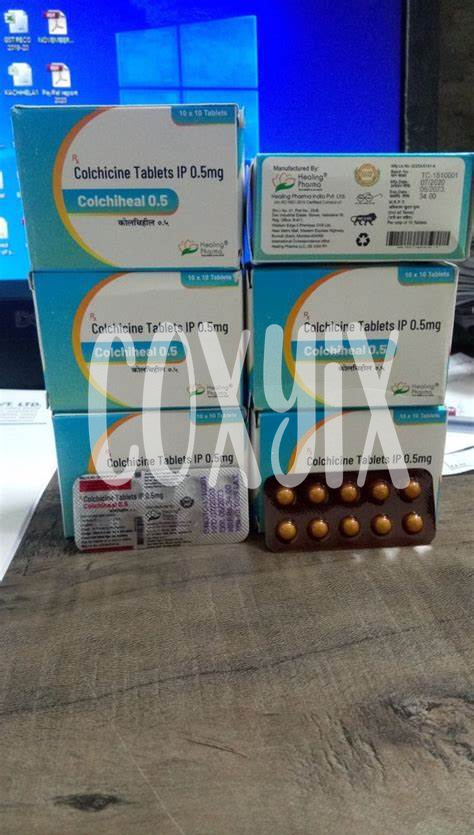
Many patients describe steady peace after an attack when a preventive plan begins; low, steady colchicine can blunt future inflammatory surges while preserving daily activities. Framing therapy as maintenance helps set realistic expectations and adherence.
Typical chronic regimens favor modest doses to minimize toxicity; many clinicians use 0.5–0.6 mg once daily or 0.6 mg twice daily depending on response and comorbidity, with individualized adjustment rather than fixed prolonged high doses.
Safety relies on periodic review: colchicine accumulates with renal or hepatic dysfunction and with inhibitors of CYP3A4 or P-glycoprotein. Watch for gastrointestinal upset, neutropenia, or neuromuscular toxicity especially with statins or in frail patients. Regularly.
Long-term benefit hinges on adherence, periodic uric acid reassessment, and shared decision-making about duration. Dose reductions may be warranted with aging or declining kidney function; discuss pregnancy plans and competing medications with your clinician. Regularly.
Optimal Timing Frequency and Maximum Safe Limits
Treating a flare is as much about timing as choice of agent; rapid dosing within 12 to 24 hours of pain onset improves outcomes. For acute attacks, a staggered low-dose regimen often replaces larger single doses, balancing quick relief with safety. Adjustments depend on body size, age and comorbidities.
Typical practice separates short high-intensity treatment from chronic prevention: colchicine for flares is given as an initial dose followed by a smaller dose an hour later to abort inflammation rapidly, whereas maintenance dosing uses low doses once or twice daily. Staying within recommended daily limits reduces cumulative toxicity risk.
Clinicians individualize dosing based on renal and hepatic function, age and co‑medications that inhibit CYP3A4 or P‑glycoprotein; when those are present, doses should be reduced or the drug avoided. Prompt attention to severe gastrointestinal or neuromuscular symptoms prevents progression to serious toxicity.
Drug Interactions Necessitating Dose Adjustment and Caution
A sudden flare sent her rushing to the clinic, where the physician explained how colchicine can halt an attack if used promptly.
Yet certain drugs, notably macrolides and some antifungals, raise colchicine blood levels, requiring dose reductions or alternative therapies.
CYP3A4 and P-gp inhibitors amplify toxicity risk; clinicians must review medications, including statins and calcium channel blockers, before prescribing.
In frail or renally impaired patients, start low, monitor closely, and educate about gastrointestinal warning signs to prevent serious complications. Seek pharmacy consultation when in doubt to ensure safe co-prescribing practices.
Recognizing Toxicity Gastrointestinal Symptoms to Serious Complications
A patient wakes at night with nausea and cramps; early signs of colchicine intolerance often begin as mild gastrointestinal upset. Early recognition preserves treatment options and prevents escalation.
Diarrhea, vomiting and abdominal pain can progress quickly and should prompt dose review — persistent symptoms raise concern for systemic toxicity. Timely lab tests can detect rising creatine kinase or cytopenias.
Watch for neutropenia, muscle weakness, or neurologic changes; these signal severe complications requiring hospitalization and supportive care. Management may require granulocyte support, dialysis, or drug-specific antidotes in critical cases.
Clinicians should assess renal and hepatic function, review interacting drugs, and educate patients to stop colchicine and seek urgent help if red flags appear. Clear instructions and a plan for dose interruption reduce harm; document and communicate any adverse events promptly. Early reporting improves outcomes and supports safer long-term therapy for patients.
| Sign | Severity | Action |
|---|---|---|
| Diarrhea/Vomiting | Mild–Moderate | Hold drug, reassess |
| Myopathy/Neutropenia | Severe | Hospitalize, labs, supportive care |
Tailoring Therapy for Elderly Renal Impairment Pregnancy
Older patients often metabolize colchicine more slowly; practical care means lower initial doses, longer intervals, and cautious avoidance in advanced renal or hepatic impairment. When co prescribed CYP3A4 or Pgp inhibitors, further reduction is needed because accumulation causes severe toxicity. Regular review of concomitant drugs and muscle symptoms helps prevent complications. Close monitoring.
In pregnancy colchicine use is individualized: data from FMF registries suggest safety, but gout use needs obstetric risk and benefit discussion. When used, employ the lowest effective dose, monitor blood counts and renal function, and coordinate care with obstetrics and nephrology to tailor timing and duration. Shared decision making and documentation are essential to balance maternal and fetal safety with gout control. MedlinePlus: Colchicine PubMed review on colchicine