

Understanding Celexa: What It Is and How It Works
Celexa, also known as citalopram, is a prescription medication classified as a selective serotonin reuptake inhibitor (SSRI). It is primarily used to treat mood disorders by enhancing serotonin levels in the brain, a neurotransmitter pivotal in regulating mood, emotion, and anxiety. By preventing the reabsorption of serotonin, Celexa allows more of this "feel-good" chemical to remain active in the brain, thereby alleviating symptoms such as persistent worry or nervousness.
The process of serotonin inhibition through Celexa leads to subtle but significant changes in the brain's chemistry, contributing to improved emotional stability. It is noteworthy that while SSRIs like Celexa don't offer immediate relief, their benefits are often appreciated after consistent use. This gradual adjustment helps reduce anxiety symptoms, promoting a more balanced mental state.
| Key Features | Description |
|---|---|
| Type of Medication | Selective Serotonin Reuptake Inhibitor (SSRI) |
| Main Function | Prevents reabsorption of serotonin, enhancing mood regulation |
| Onset of Effectiveness | Typically noticeable after several weeks of consistent use |
Different Types of Anxiety Disorders Treated with Celexa

Celexa, known generically as citalopram, is often prescribed to manage various anxiety disorders. Among these, Generalized Anxiety Disorder (GAD) frequently benefits from its soothing effects, as it helps to stabilize mood by increasing the availability of serotonin in the brain. People diagnosed with Panic Disorder may also find relief from their sudden episodes of intense fear with Celexa, as it can decrease the frequency and intensity of panic attacks.
Moreover, Social Anxiety Disorder, characterized by overwhelming anxiety in social situations, can be addressed with Celexa to ease the social inhibitions that hamper daily interactions. Thus, Celexa serves as a versatile ally in combating diverse anxiety disorders.
Celexa's Effectiveness in Easing Anxiety Symptoms
Many individuals have reported significant relief from anxiety symptoms when using Celexa. The medication is part of a class of drugs known as selective serotonin reuptake inhibitors (SSRIs), which are designed to regulate serotonin levels in the brain. By doing so, Celexa helps to stabilize mood and produces a calming effect, reducing the intensity of anxiety episodes. Clinical studies have supported these findings, with numerous patients experiencing a decrease in nervousness and an improved ability to manage stressful situations over time.
Common Side Effects and Risks of Taking Celexa
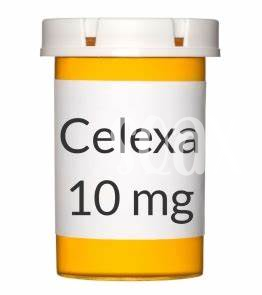
When embarking on a journey with Celexa, understanding its common side effects and associated risks is crucial. Many individuals experience mild side effects like nausea, dry mouth, or drowsiness, which often subside over time. However, some may encounter dizziness or trouble sleeping, which can impact daily life. It's vital to monitor these symptoms carefully and consult with a healthcare provider if they persist.
Patients should be aware of more severe risks, although less common. These include increased heart rate, mood changes, and the possibility of serotonin syndrome, a rare but serious condition. Regular communication with your doctor ensures that any adverse effects are managed effectively while using Celexa.
Tips for Managing Anxiety While on Celexa
Navigating anxiety while on Celexa requires a well-rounded approach to maximize the medication's benefits. Incorporating regular physical activity and mindfulness practices can serve as powerful allies. Exercise, such as a brisk walk or yoga, stimulates the production of endorphins, enhancing mood and reducing anxiety levels. Mindfulness and meditation foster a greater sense of relaxation and focus, crucial for managing anxiety.
| Strategies | Benefits |
|---|---|
| Regular Physical Activity | Boosts mood and reduces anxiety |
| Mindfulness Practices | Enhances relaxation and focus |
Maintaining a balanced diet and consistent sleep patterns also play vital roles. Nutrient-rich foods and adequate rest help stabilize mood and foster emotional resilience. By integrating these strategies, individuals can optimize their experience with Celexa and alleviate anxiety symptoms more effectively.
Real-life Experiences: Celexa's Impact on Anxiety Users
Many individuals using Celexa to manage anxiety have shared encouraging stories about their journeys. For Sarah, a 34-year-old teacher, Celexa brought significant relief from generalized anxiety disorder. She described her experience as gradually liberating; within a few weeks, persistent worries eased, and a sense of normalcy returned. Similarly, Mark, who struggled with panic attacks, reported that Celexa reduced the frequency and severity of his episodes.
It's important to note the variability in experiences, as some users like Olivia initially faced side effects but found them diminishing over time. These personal stories highlight the transformative potential of Celexa for anxiety sufferers while underscoring the importance of patience and individualized care.