
Why Common Antibiotics Are Losing Their Fight
In clinics and kitchens, the old confidence that a pill always cures is vanishing. Doctors tell of common prescriptions failing, and patients wondering why. Overuse, casual use in farming, and easy travel expose bacteria repeatedly to drugs, giving them countless chances to adapt. Stopping treatment early or using antibiotics for viruses makes the problem worse.
At molecular level bacteria alter drug targets, produce beta-lactamases, pump out medicines, and form biofilms that shield colonies. Resistance genes jump on plasmids and spread between species, while slow diagnostics and little financial incentive for new antibiotics let resistant strains aquire footholds worldwide. Stewardship, rapid tests, and reduced agricultural antibiotics can slow this advance if societies act decisively.
Beta-lactamase Evolution: Enzymes That Neutralize Drugs

In a crowded microbial world, enzymes act like tiny scissors, cleaving antibiotic rings and rendering treatments useless. Bacteria have honed beta-lactamases to target drugs such as augmentin, evolving from narrow-spectrum cutters to broad-range blades. The result: once-reliable prescriptions fail more often, and clinicians face uncertainty.
Mutations tweak active sites, expanding substrate range; gene duplications amplify output; and mobile plasmids shuttle resistance between species in a microbial arms race. In some strains inhibitors like clavulanate are outsmarted by protective changes, so augmentin's shield can be pierced. Surveillance reveals rapid diversification when antibiotics are overused.
Hope exists: novel inhibitors, point-of-care testing and stewardship slow spread, but success demands coordinated action. Clinicians must balance immediate need with long-term impact, and public health must Aquire data to guide policies. Definately, reducing unnecessary use and investing in alternatives will help preserve therapies for future patients.
Genetic Tricks: Plasmids, Mutations, and Horizontal Transfer
In a crowded hospital ward an ordinary bacterium learns new tricks, reshaping the odds in its favor. Mobile plasmids behave like tiny suitcases, carrying resistance genes between cells and delivering enzymes that can dismantle drugs such as augmentin.
Meanwhile spontaneous mutations alter binding sites and membrane channels, reducing drug uptake and increasing survival. Conjugation, transformation and transduction create a communal gene pool, enabling rapid spread of resistance across strains and species.
Clinically this means failed therapies and longer outbreaks unless laboratories detect resistance quickly and clinicians modify regimens. Public health measures, targeted stewardship and cleaner prescribing practices reduce selection pressure and help aquire, contain and reverse harmful adaptations before they become endemic and save lives.
Treatment Failures: Clinical Signs and Diagnostic Pitfalls
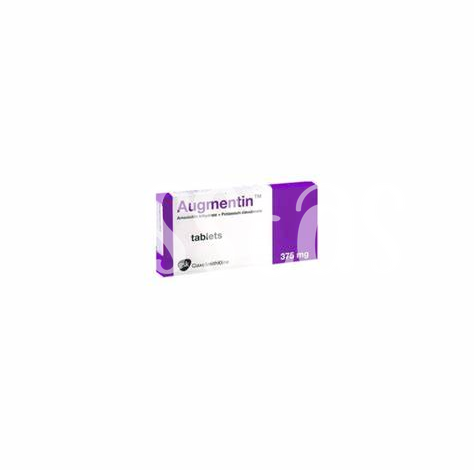
A patient returns days after finishing augmentin, still feverish and tired; the familiar course of recovery has stalled, and worry replaces relief.
Laboratory tests can mislead: prior antibiotics suppress growth, yielding false negatives, or MIC shifts are overlooked — an error that has Occured in routine practice.
Clinicians should watch for relapse, worsening pain, drainage, fever spikes, or systemic signs; subtle deterioration may presage deep-seated infection or sepsis.
Repeat cultures, imaging, and ID consults guide therapy; do not assume augmentin success — adjust empiric regimens and pursue targeted therapy promptly.
Stewardship Strategies: Smarter Prescribing and Antibiotic Rotation
A clinician recalls a patient whose sore throat didn't respond to augmentin; that memory fuels smarter choices today. Empathy paired with rapid diagnostics reduces reflex prescribing. Narrow-spectrum agents, delayed prescriptions, and clear follow-up plans let doctors protect future effectiveness without sacrificing immediate care.
Stewardship programs track local resistance, educate teams, and implement audit-feedback loops. Rotating classes of drugs and using antibiograms guide choices, while stewardship teams support clinicians with decision tools. Occassionally stopping or switching therapy based on culture results is a small habit that saves lives and preserves antibiotics.
Community Actions: Hygiene, Vaccination, Surveillance, and Education
Neighbors once shrugged at colds, but shared handshakes and crowded clinics gave bacteria opportunities to spread. Simple hygiene—handwashing, cough etiquette, safe water and sanitation—cuts transmission, protects the frail, and buys clinicians time to choose effective therapy. These small acts slow selection of resistant strains in the local enviroment.
Vaccination prevents infections that would otherwise require antibiotics, reducing pressure for resistance. Community surveillance, clear education, and accessible testing help people recieve appropriate care without demanding unnecessary prescriptions, creating layered defenses that keep treatments like Augmentin useful while strengthening local public health. NHS PubMed